To the Island of Tides A Journey to Lindisfarne
- 3 Jun 2021
- 9781786896346
- £10.99
- 336 pp
- 129×198mm
- 1 Aug 2019
- 9781786896339
- £8.79
- 336 pp

In a few words
This journey to Lindisfarne is a meditation on the power of place, from the historian and award-winning author of The Hidden Ways
In a few words
This journey to Lindisfarne is a meditation on the power of place, from the historian and award-winning author of The Hidden Ways


[To the Island of Tides] is often beautifully evocative of places, the past and the landscape . . . compelling and revealing
Written with both wisdom and love . . . This is a wonderfully rich and consoling book . . . and it is very good indeed
[To the Island of Tides] is often beautifully evocative of places, the past and the landscape . . . compelling and revealing
Written with both wisdom and love . . . This is a wonderfully rich and consoling book . . . and it is very good indeed
More about
the book
In To the Island of Tides, Alistair Moffat travels to – and through the history of – the fated island of Lindisfarne. Known by the Romans as Insula Medicata and famous for its monastery, it even survived Viking raids. Today the isle maintains its position as a space for retreat and spiritual renewal.
Walking from his home in the Borders, through the historical landscape of Scotland and northern England, Moffat takes us on a pilgrimage in the footsteps of saints and scholars, before arriving for a secular retreat on the Holy Isle. To the Island of Tides is a walk through history, a meditation on the power of place, but also a more personal journey; and a reflection on where life leads us.
More about
the book
In To the Island of Tides, Alistair Moffat travels to – and through the history of – the fated island of Lindisfarne. Known by the Romans as Insula Medicata and famous for its monastery, it even survived Viking raids. Today the isle maintains its position as a space for retreat and spiritual renewal.
Walking from his home in the Borders, through the historical landscape of Scotland and northern England, Moffat takes us on a pilgrimage in the footsteps of saints and scholars, before arriving for a secular retreat on the Holy Isle. To the Island of Tides is a walk through history, a meditation on the power of place, but also a more personal journey; and a reflection on where life leads us.
Extraordinary . . . a triumph . . . This book is an intriguing account of St Cuthbert and his times, a lyrical testimony to the wonder of nature and a beguiling account of the power of place in all lives. But . . . it becomes something more, something sublime in the realm of memoir . . . There is a powerful, natural beauty in Moffat's writing
This is a book written by a living bard of the Borders, who has walked his way into knowledge and found real magic with his eyes wide open
This pilgrimage incorporates local lore and biblical references, touching self discovery and a Saint’s life. Above all it is a homage to the importance of family and of belonging
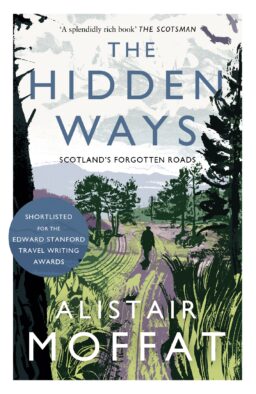
Praise for The Hidden Ways:
Our ancestors walked everywhere, unless they lived by a river or loch and travelled by boat, or were rich enough to keep a horse or pony. So Moffat will walk. He will walk over much of Scotland, following, sometimes struggling to follow, old roads that are now sometimes hard to find. This book is the story of a dozen such walks… This is a splendidly rich book – a treasure-house of information, memories and speculation
Allan Massie
ScotsmanExtraordinary . . . a triumph . . . This book is an intriguing account of St Cuthbert and his times, a lyrical testimony to the wonder of nature and a beguiling account of the power of place in all lives. But . . . it becomes something more, something sublime in the realm of memoir . . . There is a powerful, natural beauty in Moffat's writing
This is a book written by a living bard of the Borders, who has walked his way into knowledge and found real magic with his eyes wide open
This pilgrimage incorporates local lore and biblical references, touching self discovery and a Saint’s life. Above all it is a homage to the importance of family and of belonging
Praise for The Hidden Ways:
Our ancestors walked everywhere, unless they lived by a river or loch and travelled by boat, or were rich enough to keep a horse or pony. So Moffat will walk. He will walk over much of Scotland, following, sometimes struggling to follow, old roads that are now sometimes hard to find. This book is the story of a dozen such walks… This is a splendidly rich book – a treasure-house of information, memories and speculation
Allan Massie
Scotsman