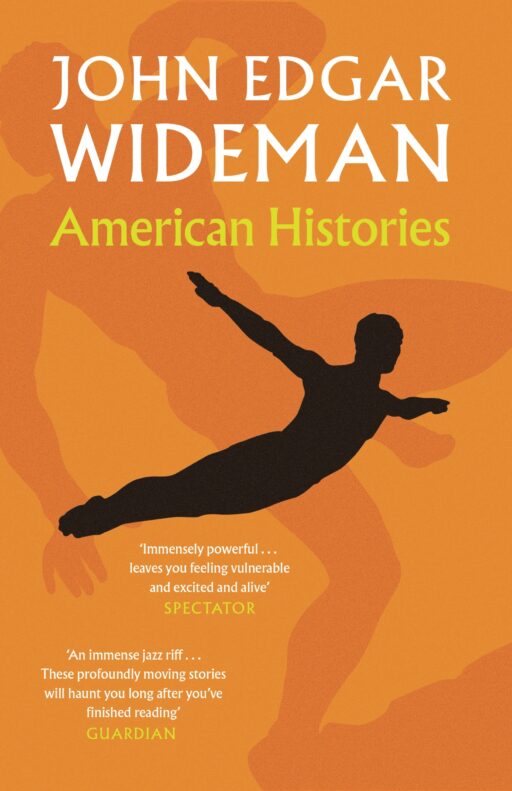
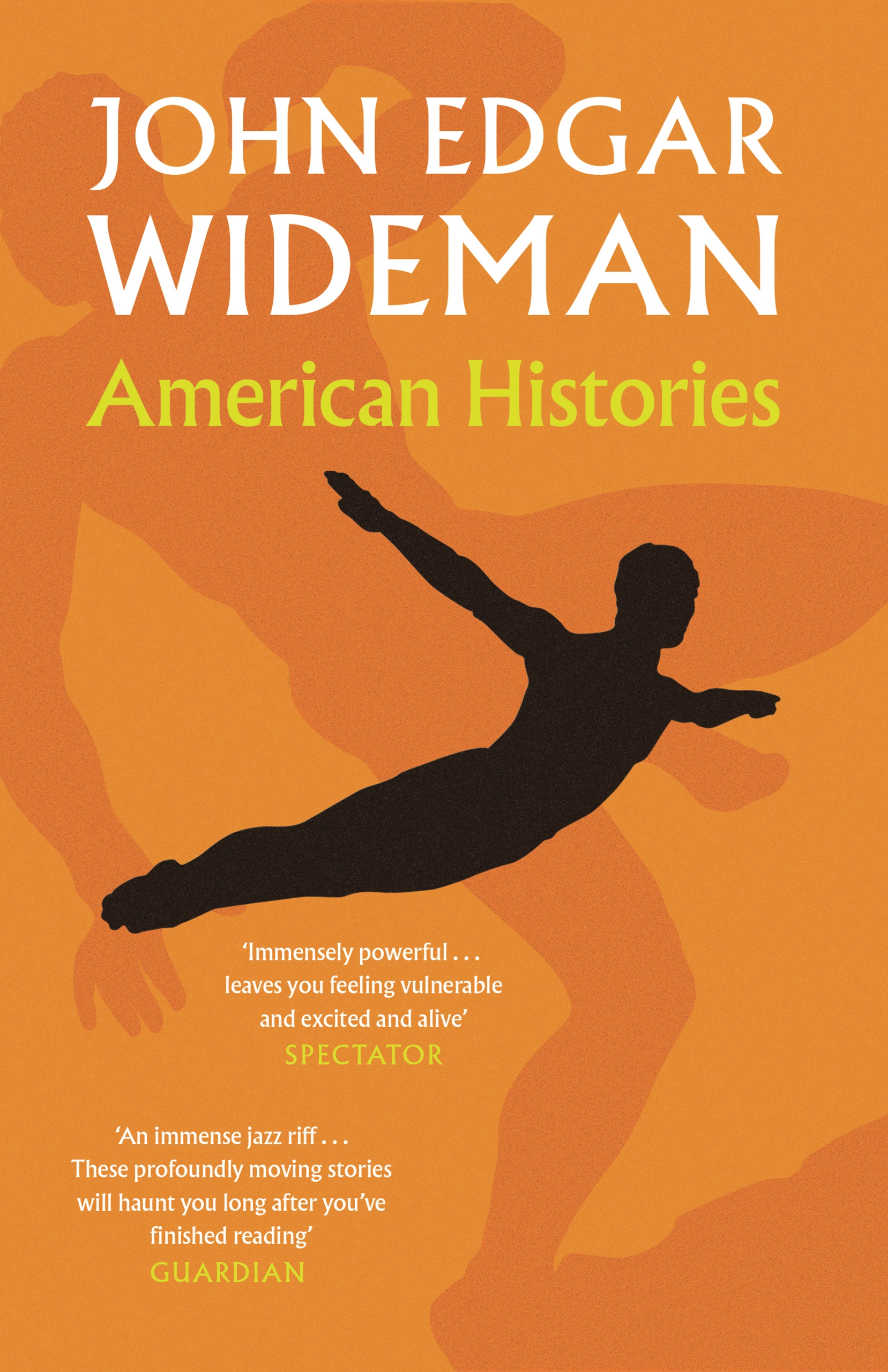
American Histories
- 2 May 2019
- 9781786892089
- £9.99
- 240 pp
- 129×198mm
- 3 May 2018
- 9781786892072
- £7.99
- 256 pp
In a few words
The new story collection from MacArthur Fellow John Edgar Wideman – exploring subjects from the imagined to the historical and personal
In a few words
The new story collection from John Edgar Wideman – acclaimed author of Philadelphia Fire and Brothers and Keepers, and winner of the 2017 Prix Femina Étranger – exploring subjects from the imagined to the historical and personal

Laced together, the stories in American Histories read like an immense jazz riff . . . The acutely immersive world of American Histories is irresistible, and these profoundly moving stories will haunt you long after you’ve finished reading
Colin Grant
GuardianWideman’s rage against American injustice and racial prejudice burns magma-hot in his latest short stories . . .
Immensely powerful . . . Challenging, animating, enlivening and electrifying; it does what literature should do. It’s a bruising experience that leaves you feeling vulnerable and excited and alive
Niall Griffiths
SpectatorLaced together, the stories in American Histories read like an immense jazz riff . . . The acutely immersive world of American Histories is irresistible, and these profoundly moving stories will haunt you long after you’ve finished reading
Colin Grant
GuardianWideman’s rage against American injustice and racial prejudice burns magma-hot in his latest short stories . . .
Immensely powerful . . . Challenging, animating, enlivening and electrifying; it does what literature should do. It’s a bruising experience that leaves you feeling vulnerable and excited and alive
Niall Griffiths
SpectatorMore about
the book
These stories offer spellbinding reflections on abolitionists and artists, fathers and sons, the bonds of family and the pull of memory. A re-imagined conversation takes place between white anti-slavery crusader John Brown and black abolitionist Frederick Douglass. A man sits on the edge of Williamsburg Bridge, contemplating suicide. The author considers the deaths of his brother, uncle, mother and niece.
John Edgar Wideman’s fiction challenges the boundaries of the form. Emotionally precise and intellectually stimulating, this is Wideman at his best.
More about
the book
In this new short story collection, John Edgar Wideman blends the historical and the imaginary, the personal and the political, to invent complex, charged stories about love, death and struggle. With a cast of real and fictional characters as diverse as Frederick Douglass, Jean-Michel Basquiat, and Wideman’s own family, it is a journey through the soul of America.
In ‘JB & FD’ Wideman imagines conversations between white anti-slavery crusader John Brown and abolitionist Frederick Douglass. In ‘Williamsburg Bridge’ a man contemplates his life as he sits on the edge of the bridge, meaning to jump. In ‘Maps and Ledgers’ a brother and sister ponder their father’s killing of another man.
In these and the other stories in this collection, Wideman navigates an extraordinary range of subject and tone. He delivers individual narratives both emotionally precise and intellectually stimulating, and an extended meditation on family, history and loss. American Histories demonstrates a master at his absolute best.
Wideman is a writer who excels at dramatising African American sensibilities and this collection typically addresses issues of race, injustice and inequality with power and potency . . . This is published alongside Wideman’s earlier novels and is a gem for anyone yet to discover his work
Anita Sethi
ObserverWith the scrupulous intelligence and meditative intensity that define all this author's work, the stories move from subjects like the Civil War and Nat Turner's rebellion to Mr. Wideman's family's tribulations, the two threads twining so intricately that they're impossible to separate . . . John Edgar Wideman's stories show he is a master of modernist collage
Wherever we’re going with him, we’re going to engage with America’s unhealed wounds of slavery and racism . . . Wideman’s stories range widely over experiences from slavery to the present day . . . All are illumined by a searching intelligence and a willingness to test the boundaries of the short story form
Profound . . . The structure of his work plays like jazz, layered and interwoven . . . Wideman’s courage, his gorgeous plain speaking, is triumphant; it is a courage which almost allows the reader to believe that language can conquer despair, though despair is always evident . . . As Wideman has shown in book after book, it is the imagination that can allow a space in which a new understanding of all our stories may be forged – and where a more just future may be created
Wideman is a writer who excels at dramatising African American sensibilities and this collection typically addresses issues of race, injustice and inequality with power and potency . . . This is published alongside Wideman’s earlier novels and is a gem for anyone yet to discover his work
Anita Sethi
ObserverWith the scrupulous intelligence and meditative intensity that define all this author's work, the stories move from subjects like the Civil War and Nat Turner's rebellion to Mr. Wideman's family's tribulations, the two threads twining so intricately that they're impossible to separate . . . John Edgar Wideman's stories show he is a master of modernist collage
Wherever we’re going with him, we’re going to engage with America’s unhealed wounds of slavery and racism . . . Wideman’s stories range widely over experiences from slavery to the present day . . . All are illumined by a searching intelligence and a willingness to test the boundaries of the short story form
Profound . . . The structure of his work plays like jazz, layered and interwoven . . . Wideman’s courage, his gorgeous plain speaking, is triumphant; it is a courage which almost allows the reader to believe that language can conquer despair, though despair is always evident . . . As Wideman has shown in book after book, it is the imagination that can allow a space in which a new understanding of all our stories may be forged – and where a more just future may be created
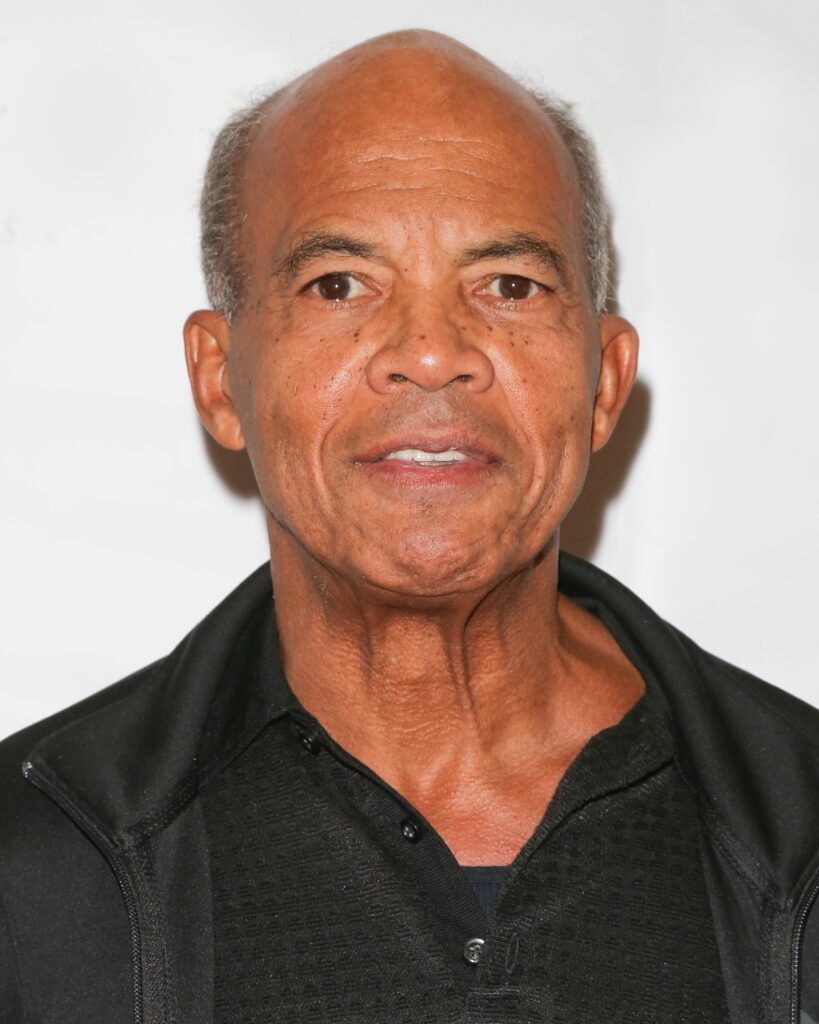
John Edgar Wideman
View profileJohn Edgar Wideman‘s books include Writing to Save a Life, Philadelphia Fire, Brothers and Keepers, Fatheralong, Hoop Roots and Sent for You Yesterday. He is a MacArthur Fellow and has won the PEN/Faulkner Award twice and has been a finalist for the National Book Critics Circle Award and National Book Award. In 2017, Wideman won the Prix Femina Étranger for Writing to Save a Life. He divides his time between New York and France.
John Edgar Wideman
View profileJohn Edgar Wideman‘s books include Writing to Save a Life, Philadelphia Fire, Brothers and Keepers, Fatheralong, Hoop Roots and Sent for You Yesterday. He is a MacArthur Fellow and has won the PEN/Faulkner Award twice and has been a finalist for the National Book Critics Circle Award and National Book Award. In 2017, Wideman won the Prix Femina Étranger for Writing to Save a Life. He divides his time between New York and France.