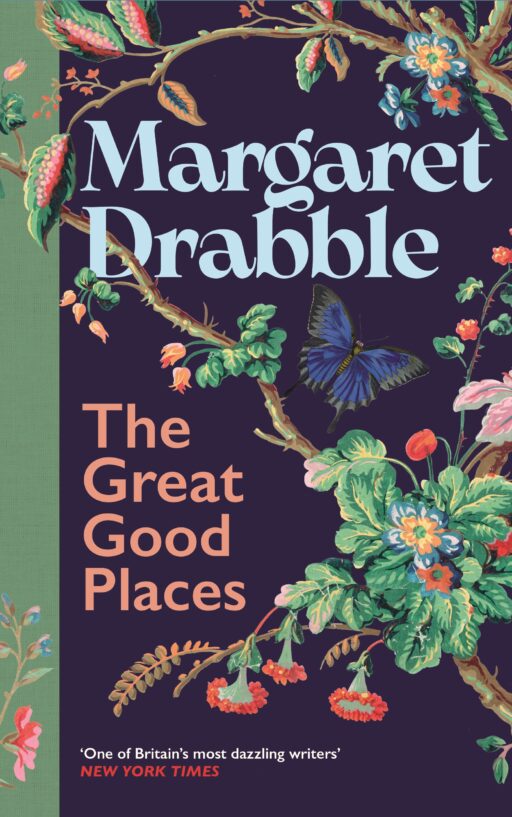
The Great Good Places
- 9 Apr 2026
- 9781837265374
- £18.99
- 208 pp
- 141×220mm
- 9 Apr 2026
- 9781837265381
- £15.19
- 208 pp
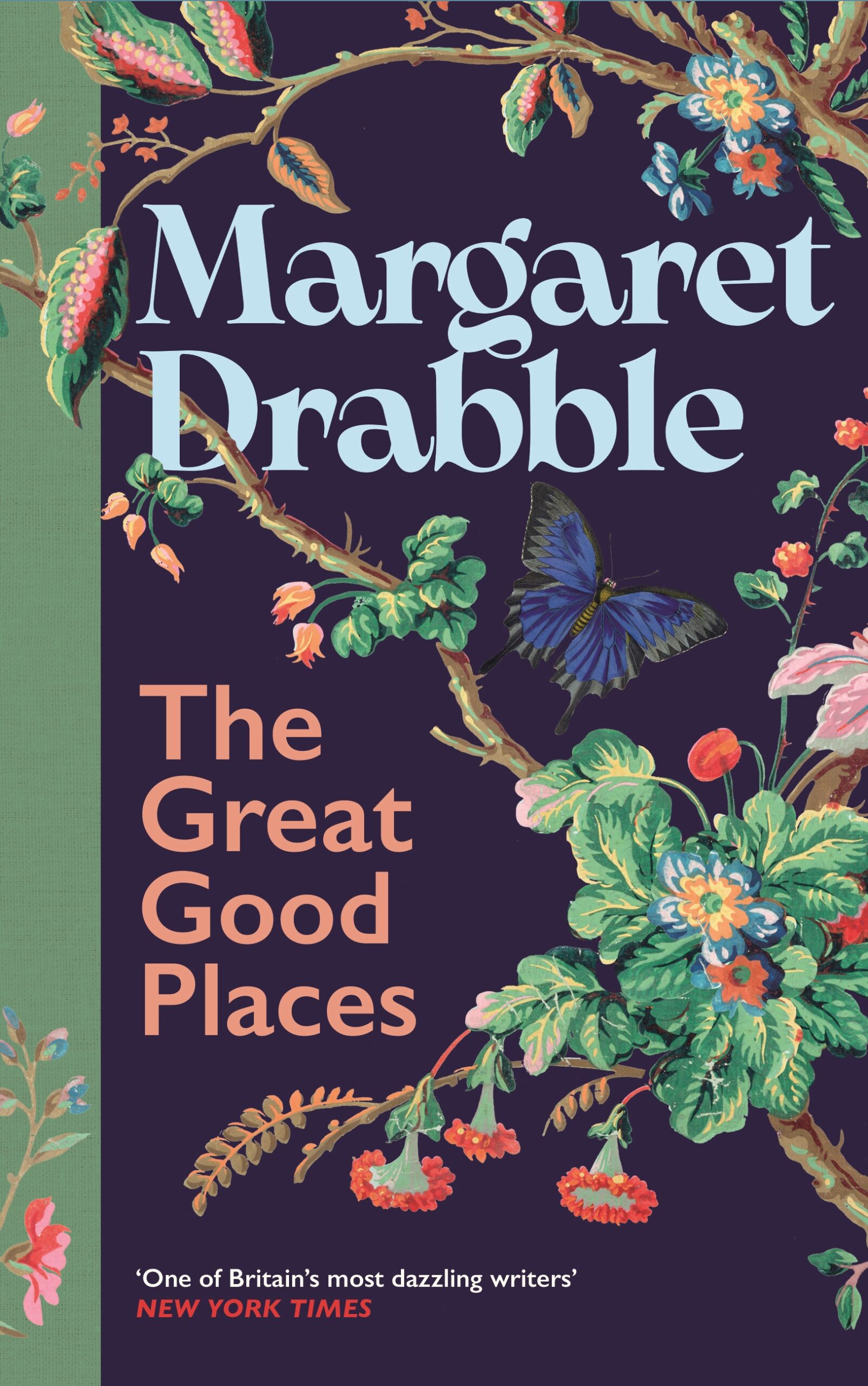
In a few words
A luminous hybrid collection of short fiction, essay and memoir from literary giant Margaret Drabble
In a few words
A luminous hybrid collection of short fiction, essay and memoir from literary giant Margaret Drabble


Wonderful . . . There aren't many chroniclers of our older years who do it so well, with such wit and realism and intelligence
Tessa Hadley
Striking . . . informal, warm [and] welcoming
John Self
Sunday TimesWonderful . . . There aren't many chroniclers of our older years who do it so well, with such wit and realism and intelligence
Tessa Hadley
Striking . . . informal, warm [and] welcoming
John Self
Sunday TimesMore about
the book
‘There aren’t many chroniclers of our older years who do it so well, with such wit and realism and intelligence’ TESSA HADLEY
‘I have learned so much from Margaret Drabble’s work’ SALLY ROONEY
‘Wise, elegiac’ The Times
‘One of Britain’s most dazzling writers’ New York Times
‘Generous, perceptive and good-humoured’ JOAN BAKEWELL
‘One of the most thought-provoking and intellectually challenging writers around’ Financial Times
We all age differently, some stoically, some angrily, some calmly, some with an unfailing spirit of adventure and an undimmed curiosity
From one of our finest literary voices, The Great Good Places is a luminous collection of essays, stories and memoir that traverses the experience of growing older and looking back on a life deeply lived.
Drawing on decades of reading, writing and observation, Margaret Drabble reflects on the complex business of ageing, the strange workings of memory – its wonders and its fragility – and on the ‘great good places’, the childhood homes, coastal sanctuaries and cherished libraries that shape who we are.
Rich with a lifetime’s worth of insight and wisdom and peppered with Drabble’s trademark lucidity and wit, The Great Good Places is an elegantly layered and profoundly moving meditation on time, place and the enduring power of recollection.
More about
the book
‘There aren’t many chroniclers of our older years who do it so well, with such wit and realism and intelligence’ TESSA HADLEY
‘I have learned so much from Margaret Drabble’s work’ SALLY ROONEY
‘One of Britain’s most dazzling writers’ New York Times
‘Generous, perceptive and good-humoured’ JOAN BAKEWELL
‘One of the most thought-provoking and intellectually challenging writers around’ Financial Times
We all age differently, some stoically, some angrily, some calmly, some with an unfailing spirit of adventure and an undimmed curiosity
From one of our finest literary voices, The Great Good Places is a luminous collection of essays, stories and memoir that traverses the experience of growing older and looking back on a life deeply lived.
Drawing on decades of reading, writing and observation, Margaret Drabble reflects on the complex business of ageing, the strange workings of memory – its wonders and its fragility – and on the ‘great good places’, the childhood homes, coastal sanctuaries and cherished libraries that shape who we are.
Rich with a lifetime’s worth of insight and wisdom and peppered with Drabble’s trademark lucidity and wit, The Great Good Places is an elegantly layered and profoundly moving meditation on time, place and the enduring power of recollection.
The Great Good Places is a wise, elegiac, slim volume of essays and short stories . . . moving
'Generous, perceptive, good-humoured, Margaret Drabble is always a delight to read
Joan Bakewell
Life is grim [Drabble says] and facing it takes courage. This she does here, with impressive grace, eloquence and sensitivity
Lucy Scholes
ProspectI was hugely impressed by The Great Good Places . . . engaging
D.j. Taylor
The TabletThe Great Good Places is a wise, elegiac, slim volume of essays and short stories . . . moving
'Generous, perceptive, good-humoured, Margaret Drabble is always a delight to read
Joan Bakewell
Praise for Margaret Drabble:
I have learned so much from Margaret Drabble's work. Her prose is very beautiful, very funny, and at the same time very serious
Sally Rooney
Margaret Drabble's early novels were intimate and sprightly chronicles of the small dissatisfactions and small triumphs of young women like herself
Hilary Mantel
New York Review of Books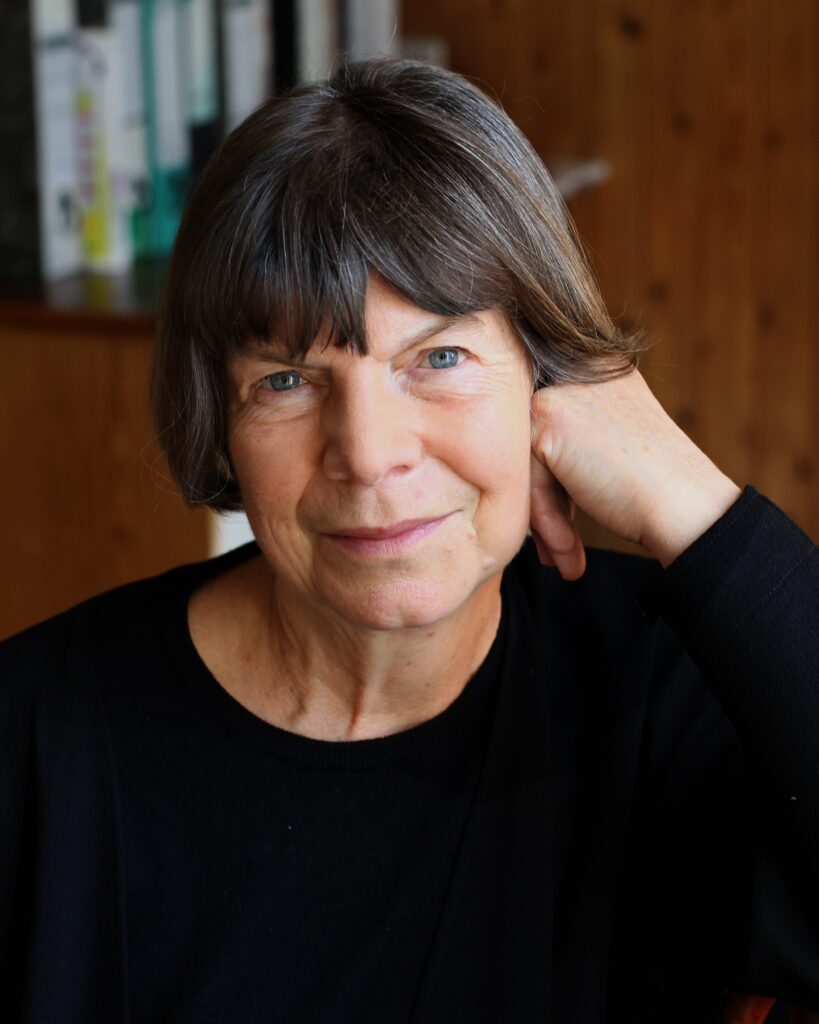
Margaret Drabble
View profileDame Margaret Drabble was born in Sheffield in 1939 and was educated at Newnham College, Cambridge. She is the author of eighteen novels including A Summer Bird-Cage, The Millstone, The Peppered Moth, The Red Queen, The Sea Lady and the highly acclaimed The Pure Gold Baby. She has also written biographies, screenplays and was the editor of the Oxford Companion to English Literature. She was appointed CBE in 1980, and made DBE in the 2008 Honours list. She was also awarded the 2011 Golden PEN Award for a Lifetime’s Distinguished Service to Literature. She is married to the biographer Michael Holroyd.
Margaret Drabble
View profileDame Margaret Drabble was born in Sheffield in 1939 and was educated at Newnham College, Cambridge. She is the author of eighteen novels including A Summer Bird-Cage, The Millstone, The Peppered Moth, The Red Queen, The Sea Lady and the highly acclaimed The Pure Gold Baby. She has also written biographies, screenplays and was the editor of the Oxford Companion to English Literature. She was appointed CBE in 1980, and made DBE in the 2008 Honours list. She was also awarded the 2011 Golden PEN Award for a Lifetime’s Distinguished Service to Literature. She is married to the biographer Michael Holroyd.