

Necropolis
- 23 Jan 2020
- 9781838852290
- £9.99
- 192 pp
- 129×198mm
- 23 Jan 2020
- 9781838852306
- £7.99
- 192 pp
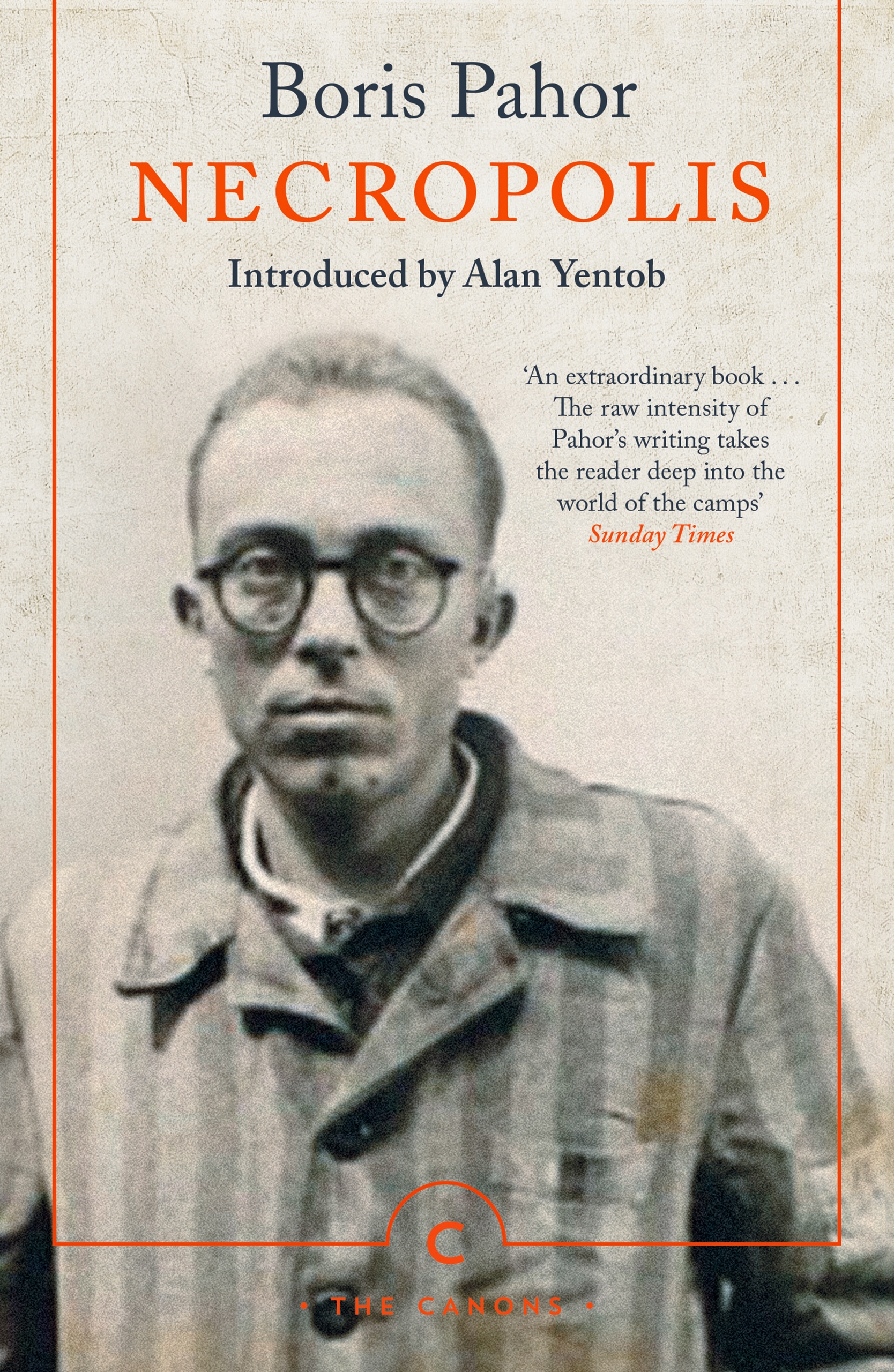
In a few words
A classic of Holocaust literature from the camps’ oldest known survivor; introduced by Alan Yentob
In a few words
A classic of Holocaust literature from the camps’ oldest known survivor; introduced by Alan Yentob


An extraordinary book . . . The raw intensity of Pahor’s writing takes the reader deep into the world of the camps. It stands equal to Primo Levi's If This Is A Man
A superb English translation . . . [Pahor's] determination to provide the most truthful account possible brings him to question continually, and to examine every complication and contradiction. This is a testimony all of us would do well to discover
An extraordinary book . . . The raw intensity of Pahor’s writing takes the reader deep into the world of the camps. It stands equal to Primo Levi's If This Is A Man
A superb English translation . . . [Pahor's] determination to provide the most truthful account possible brings him to question continually, and to examine every complication and contradiction. This is a testimony all of us would do well to discover
More about
the book
Boris Pahor spent the last fourteen months of World War II as a prisoner and medic in the Nazi camps at Bergen-Belsen, Harzungen, Dachau and Natzweiler-Struthof. Twenty years later, as he visited the preserved remains of a camp, his experiences came back to him: the emaciated prisoners; the ragged, zebra-striped uniforms; the infirmary reeking of dysentery and death.
Necropolis is Pahor’s stirring account of providing medical aid to prisoners in the face of the utter brutality of the camps – and coming to terms with the guilt of surviving when millions did not. It is a classic account of the Holocaust and a powerful act of remembrance.
More about
the book
Boris Pahor spent the last fourteen months of World War II as a prisoner and medic in the Nazi camps at Bergen-Belsen, Harzungen, Dachau and Natzweiler-Struthof. Twenty years later, as he visited the preserved remains of a camp, his experiences came back to him: the emaciated prisoners; the ragged, zebra-striped uniforms; the infirmary reeking of dysentery and death.
Necropolis is Pahor’s stirring account of providing medical aid to prisoners in the face of the utter brutality of the camps – and coming to terms with the guilt of surviving when millions did not. It is a classic account of the Holocaust and a powerful act of remembrance.
A harrowing book . . . described with hallucinatory precision and exceptionally subtle analysis
Deserves a place alongside Primo Levi and Imre Kertesz's masterpieces of Holocaust literature
Extraordinarily poetic
A harrowing book . . . described with hallucinatory precision and exceptionally subtle analysis
Deserves a place alongside Primo Levi and Imre Kertesz's masterpieces of Holocaust literature
Extraordinarily poetic


