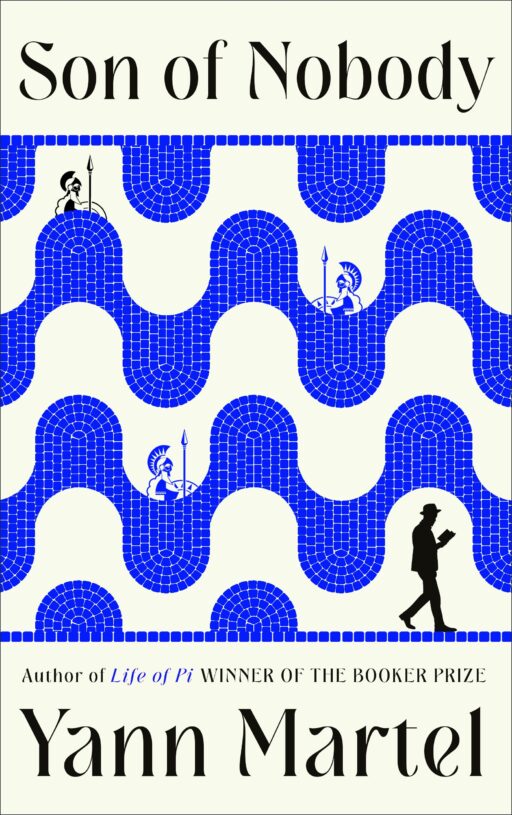

Son of Nobody
- 2 Apr 2026
- 9781838859077
- £20
- 352 pp
- 159×240mm
- 2 Apr 2026
- 9781838859084
- £16.99
- 352 pp
- 159×240mm
- 2 Apr 2026
- 9781838859091
- £15.99
- 352 pp
- 2 Apr 2026
- 9781838859107
- £25
- 7 hrs 32 min

In a few words
From the author of the phenomenon Life of Pi, this fabulous novel connects the lives of a foot soldier in the Trojan War with a scholar struggling to make sense of his life in modern-day Oxford
In a few words
From the author of the international bestseller Life of Pi, a fabulous novel connecting the lives of a foot soldier in the Trojan War with a scholar struggling to make sense of his life in modern-day Oxford.
In a few words
From the author of the international bestseller Life of Pi, a fabulous novel connecting the lives of a foot soldier in the Trojan War with a scholar struggling to make sense of his life in modern-day Oxford.
In a few words
From the author of the international bestseller Life of Pi, a fabulous novel connecting the lives of a foot soldier in the Trojan War with a scholar struggling to make sense of his life in modern-day Oxford.

Son of Nobody invites readers to take part in its playfulness, ensnares them with a superb imitation epic, and then slowly shatters their hearts
Ingenious . . . Martel bring[s] a witty freshness to standard elements of Homeric narrative
Son of Nobody invites readers to take part in its playfulness, ensnares them with a superb imitation epic, and then slowly shatters their hearts
Ingenious . . . Martel bring[s] a witty freshness to standard elements of Homeric narrative
Son of Nobody invites readers to take part in its playfulness, ensnares them with a superb imitation epic, and then slowly shatters their hearts
Ingenious . . . Martel bring[s] a witty freshness to standard elements of Homeric narrative
Son of Nobody invites readers to take part in its playfulness, ensnares them with a superb imitation epic, and then slowly shatters their hearts
Ingenious . . . Martel bring[s] a witty freshness to standard elements of Homeric narrative
More about
the book
THE READS TO LOOK FORWARD TO IN 2026 – Times
BOOKS TO LOOK OUT FOR IN 2026 – Guardian
2026 FICTION HIGHLIGHTS – Observer
WHAT TO READ IN 2026 – Financial Times
BOOKS YOU NEED TO READ IN 2026 – BBC Culture
THE MOST HYPED BOOKS WE CAN’T WAIT TO READ IN 2026 – Elle Magazine
The past is never done with: always the song continues
Harlow Donne has devoted his life to the Classical world. When a chance comes up to study an obscure collection of papyrus fragments at Oxford University, he seizes it. Though it means leaving his daughter and fracturing marriage back home in Canada, this is the kind of career break he desperately needs.
In the depths of the Bodleian Library, Harlow discovers a lost account of the Trojan War, a glimpse into the founding of Western civilization itself. He names the epic poem The Psoad, after its protagonist, a Greek commoner identified as Psoas of Midea but known to all as ‘son of nobody’.
As sole translator and interpreter of the Psoad, Harlow dedicates the poem and its modern footnotes to his daughter, Helen. Under his gaze, the text unlocks echoes of Ancient Greece into the present day, and a personal message to his beloved child appears. Despite the three-thousand-year gap between the two, a thread hasn’t frayed: the universal song of homesickness and regret, of ambition and grief.
In this masterpiece of myth and history, Son of Nobody explores how stories become facts, the price we pay to share them and how we live – then, now and always.
More about
the book
THE READS TO LOOK FORWARD TO IN 2026 – Times
BOOKS TO LOOK OUT FOR IN 2026 – Guardian
2026 FICTION HIGHLIGHTS – Observer
WHAT TO READ IN 2026 – Financial Times
BOOKS YOU NEED TO READ IN 2026 – BBC Culture
THE MOST HYPED BOOKS WE CAN’T WAIT TO READ IN 2026 – Elle Magazine
The past is never done with: always the song continues
Harlow Donne has devoted his life to the Classical world. When a chance comes up to study an obscure collection of papyrus fragments at Oxford University, he seizes it. Though it means leaving his daughter and fracturing marriage back home in Canada, this is the kind of career break he desperately needs.
In the depths of the Bodleian Library, Harlow discovers a lost account of the Trojan War, a glimpse into the founding of Western civilization itself. He names the epic poem The Psoad, after its protagonist, a Greek commoner identified as Psoas of Midea but known to all as ‘son of nobody’.
As sole translator and interpreter of the Psoad, Harlow dedicates the poem and its modern footnotes to his daughter, Helen. Under his gaze, the text unlocks echoes of Ancient Greece into the present day, and a personal message to his beloved child appears. Despite the three-thousand-year gap between the two, a thread hasn’t frayed: the universal song of homesickness and regret, of ambition and grief.
In this masterpiece of myth and history, Son of Nobody explores how stories become facts, the price we pay to share them and how we live – then, now and always.
More about
the book
THE READS TO LOOK FORWARD TO IN 2026 – Times
BOOKS TO LOOK OUT FOR IN 2026 – Guardian
2026 FICTION HIGHLIGHTS – Observer
WHAT TO READ IN 2026 – Financial Times
BOOKS YOU NEED TO READ IN 2026 – BBC Culture
THE MOST HYPED BOOKS WE CAN’T WAIT TO READ IN 2026 – Elle Magazine
The past is never done with: always the song continues
Harlow Donne has devoted his life to the Classical world. When a chance comes up to study an obscure collection of papyrus fragments at Oxford University, he seizes it. Though it means leaving his daughter and fracturing marriage back home in Canada, this is the kind of career break he desperately needs.
In the depths of the Bodleian Library, Harlow discovers a lost account of the Trojan War, a glimpse into the founding of Western civilization itself. He names the epic poem The Psoad, after its protagonist, a Greek commoner identified as Psoas of Midea but known to all as ‘son of nobody’.
As sole translator and interpreter of the Psoad, Harlow dedicates the poem and its modern footnotes to his daughter, Helen. Under his gaze, the text unlocks echoes of Ancient Greece into the present day, and a personal message to his beloved child appears. Despite the three-thousand-year gap between the two, a thread hasn’t frayed: the universal song of homesickness and regret, of ambition and grief.
In this masterpiece of myth and history, Son of Nobody explores how stories become facts, the price we pay to share them and how we live – then, now and always.
More about
the book
THE READS TO LOOK FORWARD TO IN 2026 – Times
BOOKS TO LOOK OUT FOR IN 2026 – Guardian
2026 FICTION HIGHLIGHTS – Observer
WHAT TO READ IN 2026 – Financial Times
BOOKS YOU NEED TO READ IN 2026 – BBC Culture
THE MOST HYPED BOOKS WE CAN’T WAIT TO READ IN 2026 – Elle Magazine
The past is never done with: always the song continues
Harlow Donne has devoted his life to the Classical world. When a chance comes up to study an obscure collection of papyrus fragments at Oxford University, he seizes it. Though it means leaving his daughter and fracturing marriage back home in Canada, this is the kind of career break he desperately needs.
In the depths of the Bodleian Library, Harlow discovers a lost account of the Trojan War, a glimpse into the founding of Western civilization itself. He names the epic poem The Psoad, after its protagonist, a Greek commoner identified as Psoas of Midea but known to all as ‘son of nobody’.
As sole translator and interpreter of the Psoad, Harlow dedicates the poem and its modern footnotes to his daughter, Helen. Under his gaze, the text unlocks echoes of Ancient Greece into the present day, and a personal message to his beloved child appears. Despite the three-thousand-year gap between the two, a thread hasn’t frayed: the universal song of homesickness and regret, of ambition and grief.
In this masterpiece of myth and history, Son of Nobody explores how stories become facts, the price we pay to share them and how we live – then, now and always.
Ambitiously innovative
Rowan Williams
ObserverUnlike anything I've ever read and I couldn't put it down . . . A fun imagining of a new Greek myth with an emphasis on ordinary working people
Jack Edwards
A powerful meditation on life, death and the vanity of human wishes, all illustrated by a poem that would make Homer proud
A fun book to read
Nancy Durrant
BBC Radio 4 Front RowAmbitiously innovative
Rowan Williams
ObserverA powerful meditation on life, death and the vanity of human wishes, all illustrated by a poem that would make Homer proud
A fun book to read
Nancy Durrant
BBC Radio 4 Front RowAttempting to describe Yann Martel’s novels can feel a bit like playing Mad Libs. The beloved Canadian author seems to delight in pushing the boundaries of fiction, creating fantastical worlds that can only make sense in the reader’s imagination. It’s a high-risk, high-reward approach . . . And yet, in an age of diminishing attention spans and light-lift entertainment, Martel’s willingness to take risks - to write playfully without shying away from complex ideas or big questions - feels both rare and valuable . . . Despite all the moving parts, the novel’s structure is compelling, and the footnotes offer a clean canvas for Martel’s musings on familiar themes of war, such as grief and courage, and larger philosophical questions regarding time and memory, the relationship between the ancient and contemporary worlds, and the interplay between history and myth
Ambitiously innovative
Rowan Williams
ObserverA powerful meditation on life, death and the vanity of human wishes, all illustrated by a poem that would make Homer proud
A fun book to read
Nancy Durrant
BBC Radio 4 Front RowAttempting to describe Yann Martel’s novels can feel a bit like playing Mad Libs. The beloved Canadian author seems to delight in pushing the boundaries of fiction, creating fantastical worlds that can only make sense in the reader’s imagination. It’s a high-risk, high-reward approach . . . And yet, in an age of diminishing attention spans and light-lift entertainment, Martel’s willingness to take risks - to write playfully without shying away from complex ideas or big questions - feels both rare and valuable . . . Despite all the moving parts, the novel’s structure is compelling, and the footnotes offer a clean canvas for Martel’s musings on familiar themes of war, such as grief and courage, and larger philosophical questions regarding time and memory, the relationship between the ancient and contemporary worlds, and the interplay between history and myth
Ambitiously innovative
Rowan Williams
ObserverA powerful meditation on life, death and the vanity of human wishes, all illustrated by a poem that would make Homer proud
A fun book to read
Nancy Durrant
BBC Radio 4 Front RowAttempting to describe Yann Martel’s novels can feel a bit like playing Mad Libs. The beloved Canadian author seems to delight in pushing the boundaries of fiction, creating fantastical worlds that can only make sense in the reader’s imagination. It’s a high-risk, high-reward approach . . . And yet, in an age of diminishing attention spans and light-lift entertainment, Martel’s willingness to take risks - to write playfully without shying away from complex ideas or big questions - feels both rare and valuable . . . Despite all the moving parts, the novel’s structure is compelling, and the footnotes offer a clean canvas for Martel’s musings on familiar themes of war, such as grief and courage, and larger philosophical questions regarding time and memory, the relationship between the ancient and contemporary worlds, and the interplay between history and myth
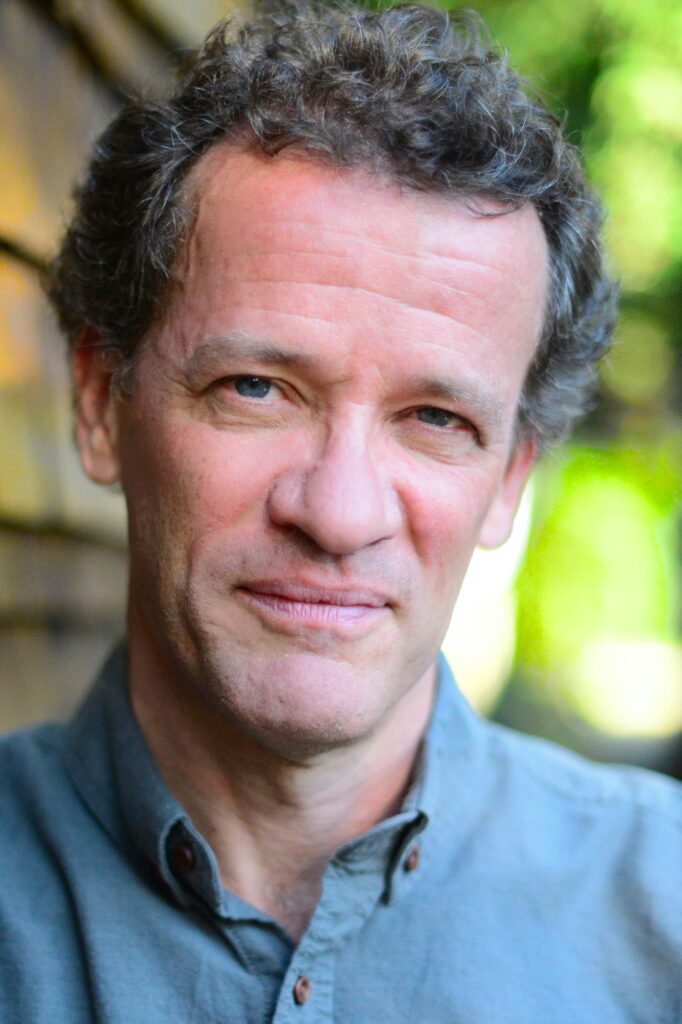
Yann Martel
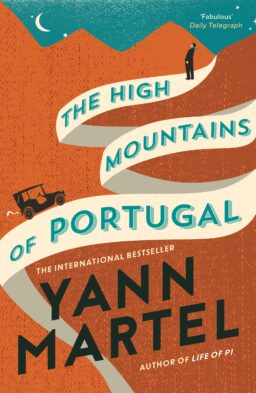
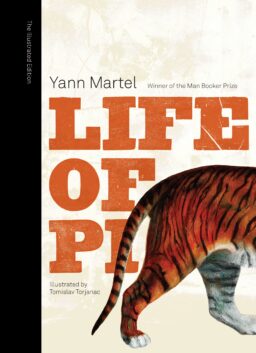
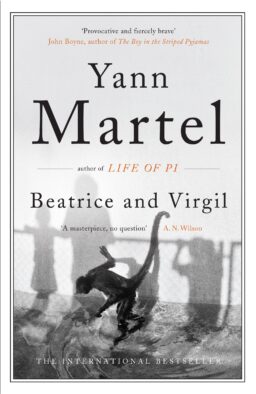
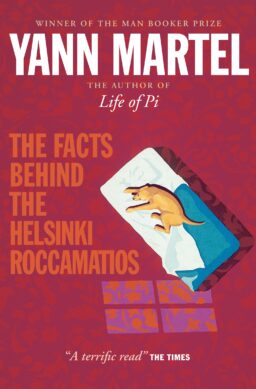
View profileYann Martel is the author of a short story collection, The Facts Behind the Helsinki Roccamatios, and of four novels, Self, Beatrice & Virgil, Life of Pi (for which he was awarded the 2002 Man Booker Prize), and The High Mountains of Portugal. Life of Pi was adapted for the silver screen by Ang Lee, garnering four Oscars. Martel also ran a guerilla book club with Stephen Harper, sending the former prime minister of Canada a book every two weeks for four years. The letters that accompanied the books were published as 101 Letters to a Prime Minister. Martel lives in Saskatoon, Saskatchewan.
Yann Martel
View profileYann Martel is the author of a short story collection, The Facts Behind the Helsinki Roccamatios, and of four novels, Self, Beatrice & Virgil, Life of Pi (for which he was awarded the 2002 Man Booker Prize), and The High Mountains of Portugal. Life of Pi was adapted for the silver screen by Ang Lee, garnering four Oscars. Martel also ran a guerilla book club with Stephen Harper, sending the former prime minister of Canada a book every two weeks for four years. The letters that accompanied the books were published as 101 Letters to a Prime Minister. Martel lives in Saskatoon, Saskatchewan, with the writer Alice Kuipers, and their four children.
Yann Martel
View profileYann Martel is the author of a short story collection, The Facts Behind the Helsinki Roccamatios, and of four novels, Self, Beatrice & Virgil, Life of Pi (for which he was awarded the 2002 Man Booker Prize), and The High Mountains of Portugal. Life of Pi was adapted for the silver screen by Ang Lee, garnering four Oscars. Martel also ran a guerilla book club with Stephen Harper, sending the former prime minister of Canada a book every two weeks for four years. The letters that accompanied the books were published as 101 Letters to a Prime Minister. Martel lives in Saskatoon, Saskatchewan, with the writer Alice Kuipers, and their four children.
Yann Martel
View profileYann Martel is the author of a short story collection, The Facts Behind the Helsinki Roccamatios, and of four novels, Self, Beatrice & Virgil, Life of Pi (for which he was awarded the 2002 Man Booker Prize), and The High Mountains of Portugal. Life of Pi was adapted for the silver screen by Ang Lee, garnering four Oscars. Martel also ran a guerilla book club with Stephen Harper, sending the former prime minister of Canada a book every two weeks for four years. The letters that accompanied the books were published as 101 Letters to a Prime Minister. Martel lives in Saskatoon, Saskatchewan, with the writer Alice Kuipers, and their four children.